
Brief biography
circa 600 B.C.-550 B.C.
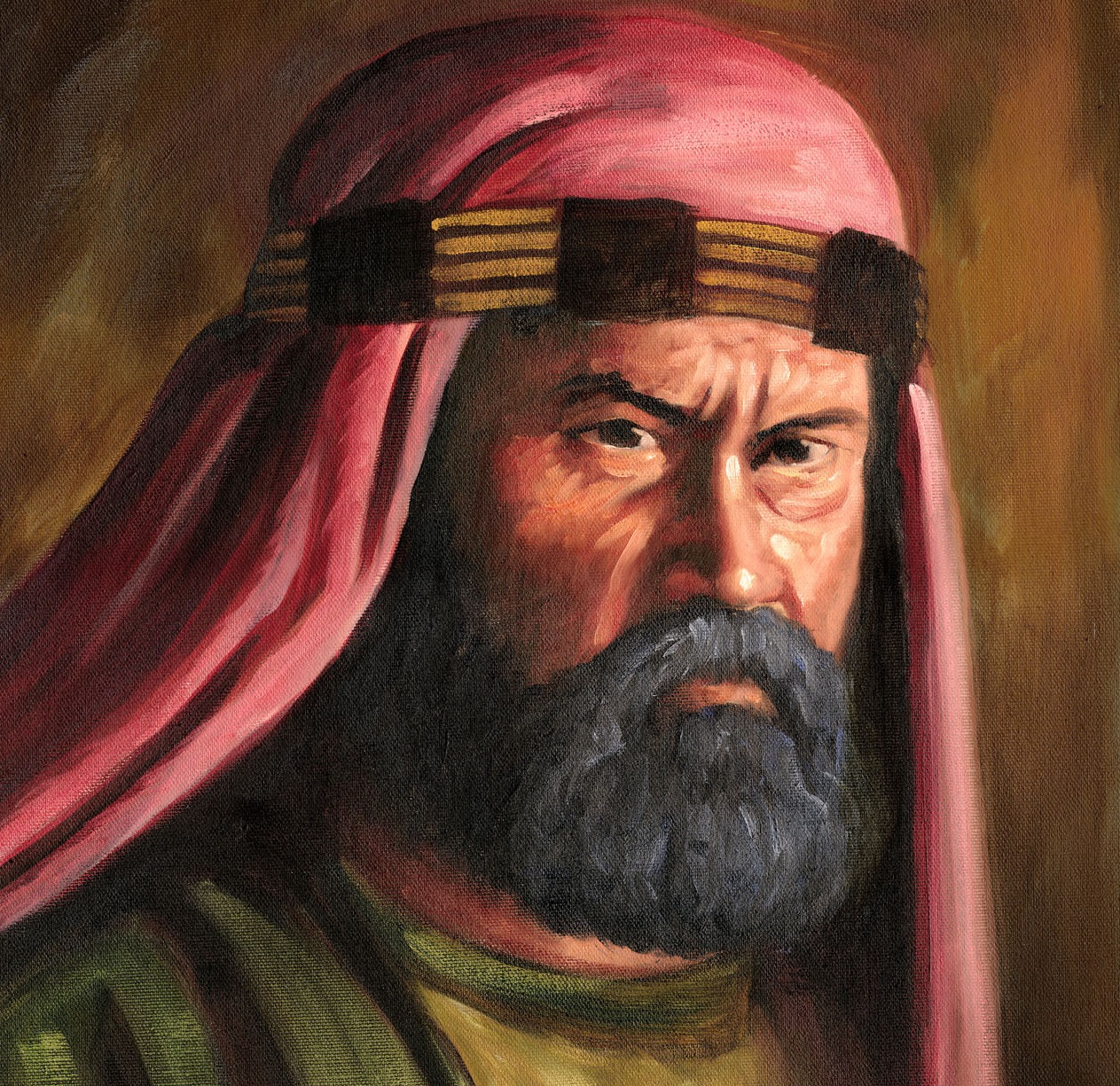
Laman and Lemuel were the two oldest sons of Lehi. They lived in Jerusalem at the time their father received visions, warning of the destruction of the city. They accompanied their family into the wilderness, but frequently murmured against Lehi’s prophetic leadership and the teachings of their brother Nephi. Each married a daughter of Ishmael. On several occasions, they tried unsuccessfully to kill Nephi. After being chastened by God, they assisted Nephi in building a ship. During the sea voyage, they rebelled against Lehi and Nephi, nearly resulting in the destruction of the ship and their family. Following the death of their father, they planned to kill Nephi, but were unable to do so because the Lord warned their brother to flee into the wilderness. After the separation of the Nephites and the Lamanites, they taught their children and their followers to hate and make war against Nephi and his people.
Insights into words and phrases

When Laman and Lemuel murmur against their father Lehi, they accuse him of
being led by the "foolish imaginations of his heart" (1 Nephi
2:11; 17:20). The brothers’ contemporary Jeremiah used a similar phrase in
early prophecies against his people. The phrase "imagination of his heart"
or "imagination of their heart" appears ten times in the
writings of that prophet (Jeremiah 7:24; 9:14; 11:8; 13:10; 16:12; 18:12;
23:17), twice elsewhere (Deuteronomy 29:19; Psalms 81:12), and nowhere else.
Its prevalence in Jeremiah’s prophecies indicates that the phrase was an
important theme of the time and would likely have been familiar to Lehi’s
family. It was tied to the events of the Exodus, when Israel rebelled
against God and suffered in the wilderness.
Jeremiah also uses
the phrase in his warning against the false prophets who were deceiving the
people with false dreams, saying, "I have dreamed, I have dreamed" (Jeremiah
23:25), and "speak a vision of their own heart, and not out of the mouth of
the Lord" (Jeremiah 23:16). In contrast to Jeremiah, who warned of coming
destruction for the unrepentant, the false prophets proclaimed peace, and
said to "everyone that walketh after the
imagination of his own heart, no evil shall come upon you"
(Jeremiah 23:17).
When Laman and Lemuel applied these words to
their father and their brother Nephi, they were not simply calling them
fools. They were accusing them of being false prophets, like those condemned
by Jeremiah. This was ironic, since those false prophets, like Laman and
Lemuel, rejected true prophets and did not believe Jerusalem could be
destroyed. Jeremiah taught that, unlike the false prophets of his day, he
had stood in the Lord’s heavenly council to receive his prophetic message
(Jeremiah 23:21-22). Lehi had done the same (1 Nephi 1:8-14).
Personal application
Because individuals sometimes wrest or misrepresent prophetic words, it is important to gain a testimony from the Holy Ghost of living prophets and their teachings, to prepare our minds, soften our hearts, and help us to recognize important truths and follow their counsel (1 Nephi 2:16-18).
Chronology
All dates are approximate.
Before 600 B.C. Laman and Lemuel are born.
600 B.C. Laman and Lemuel depart from Jerusalem with their family.
596 B.C. Laman and Lemuel return to Jerusalem, where they obtain the
plates of brass. Ishmael’s family joins them and each of them marry one of
his daughters.
596-588 B.C. They travel in the wilderness. Laman and Lemuel
frequently murmur against the Lord and their father. Children are born to
them. On several occasions, they try unsuccessfully to kill Nephi.
588 B.C. After being chastened by God, Laman and Lemuel assist Nephi
in building a ship.
589 B.C. While crossing the ocean on the ship, Laman and Lemuel rebel
against Lehi and Nephi. They bind their brother and treat him harshly. They
are abusive to others on the boat. After four days of terrible tempest, when
they are about to be destroyed, they release their brother. They and their
family reach the land of promise.
After 589 B.C. Laman and Lemuel are blessed by their father before he
dies.
589-570 B.C. Following the death of their father Lehi, Laman and
Lemuel plot to kill Nephi, but he departs from them before they can do so.
They are angry because he takes with him the plates of brass and the
Liahona, given by God to their father. They teach their children and their
followers to hate and make war against the Nephites.
After 550 B.C. Deaths of Laman and Lemuel.